Jason Unck
Star Wars Galaxy of Heroes logo

Always a Reason
to Come Back
Episode Pass hero

Role

Lead UX — Episode Pass

Owned progression logic, reward track structure, purchase screens, and cross-system integration. PC and mobile.

Responsibilities

Problem definition

Audience analysis

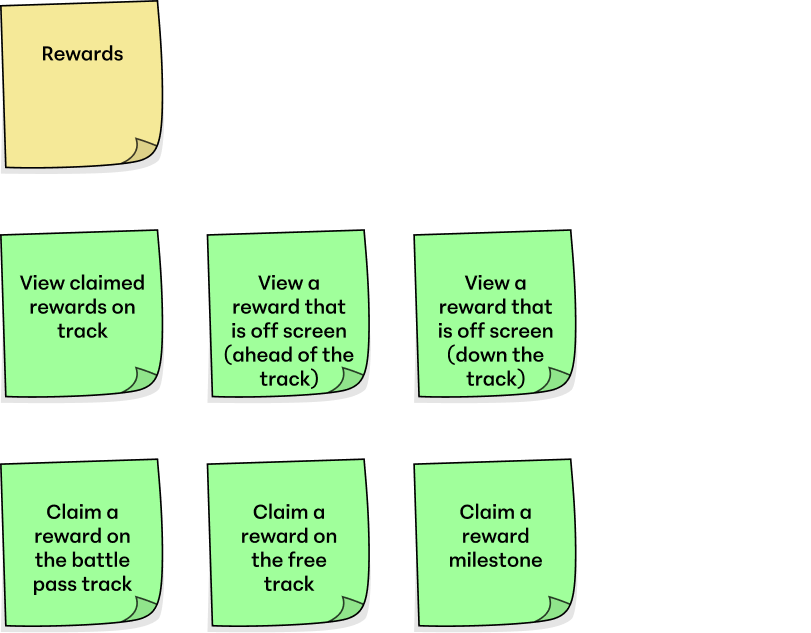
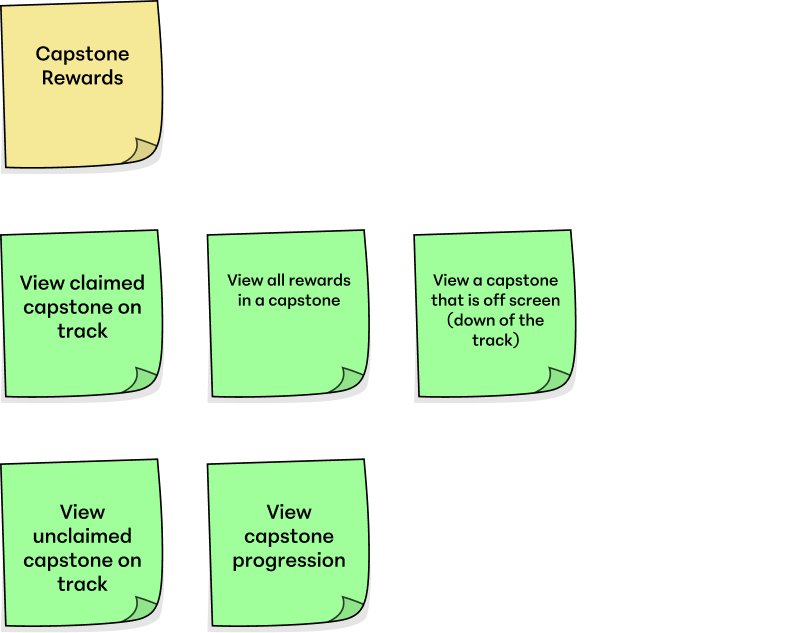
Player verbs

Player paths

Information architecture

Wireframes

Cross-system design

Purchase screen design

Design system contribution

Team

4 Eng · 1 GD · 1 PM · 2 Art · 1 Dir · 1 Audio

Date

December 2024

The Problem

Engagement without investment.

Galaxy of Heroes had daily activities, quests, and confusing tasks that had been running for years. Each one lived on its own isolated screen with no cohesive system connecting them. Players had no seasonal rhythm to follow. There was nothing that made one month feel different from the next. And no reason to invest.
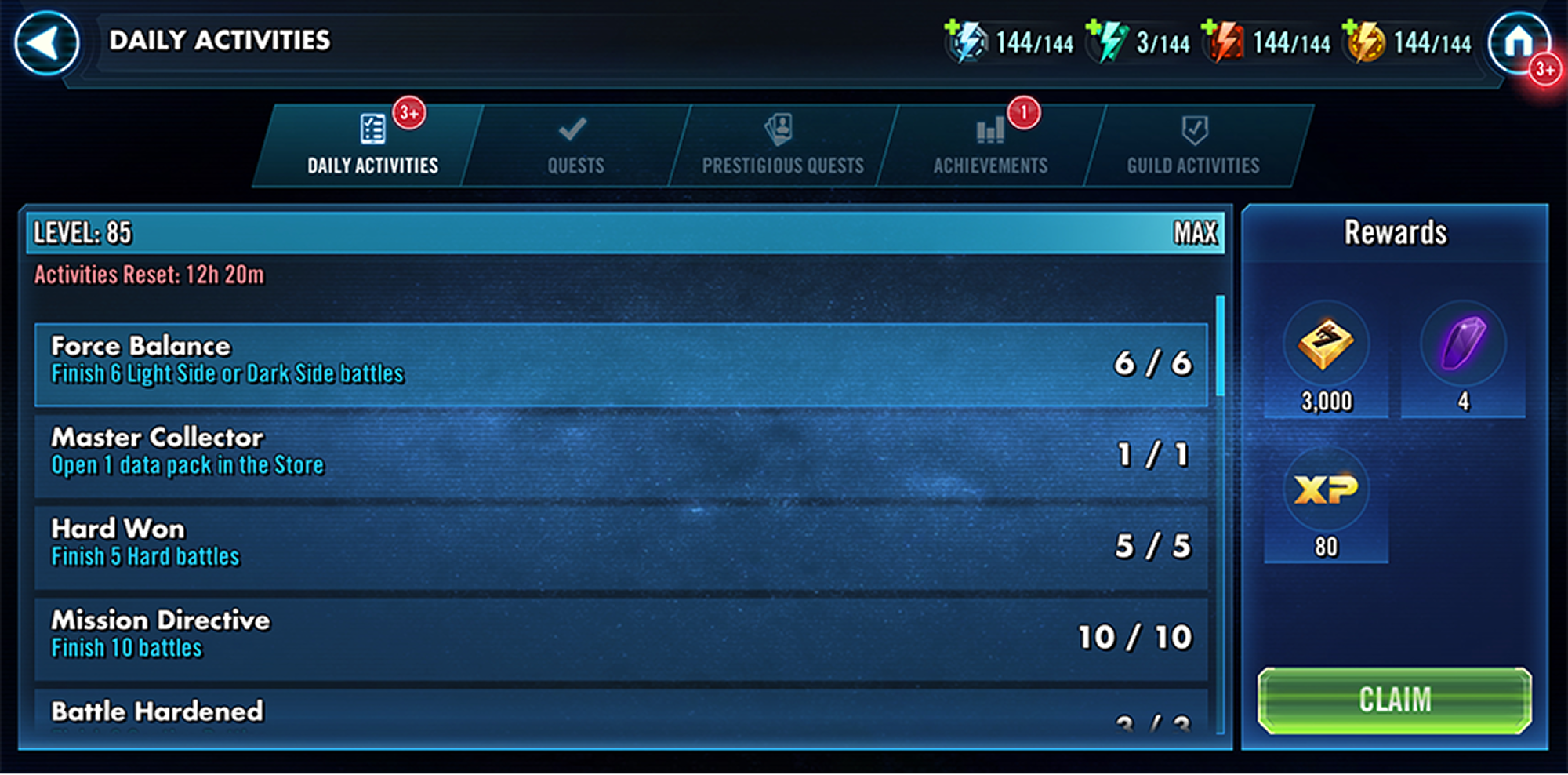
Before — Original Episode UIBefore — Original Episode UI
My Decisions

Decisions that
close the loop.

UI States

Clear state. Clear path.

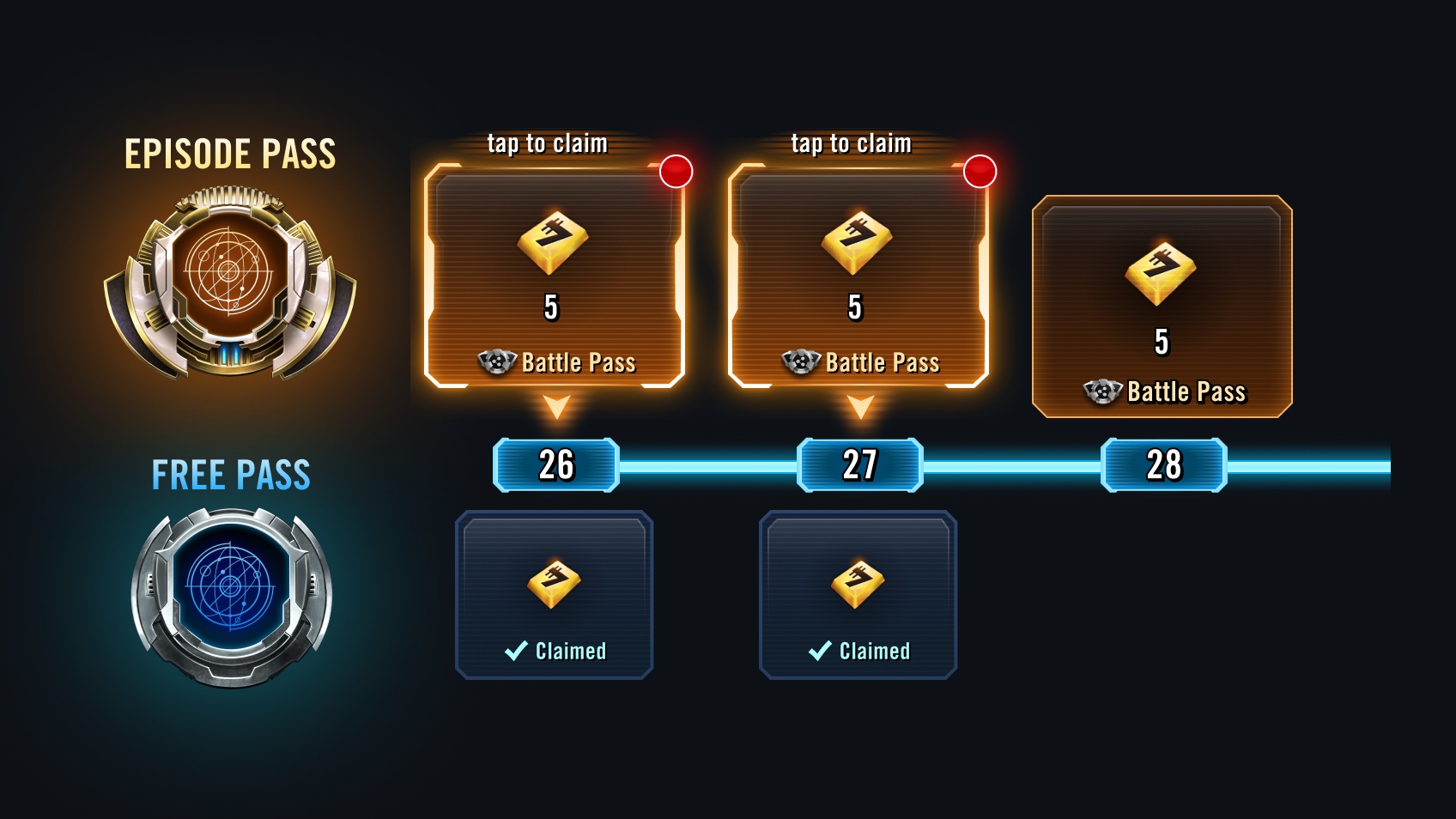
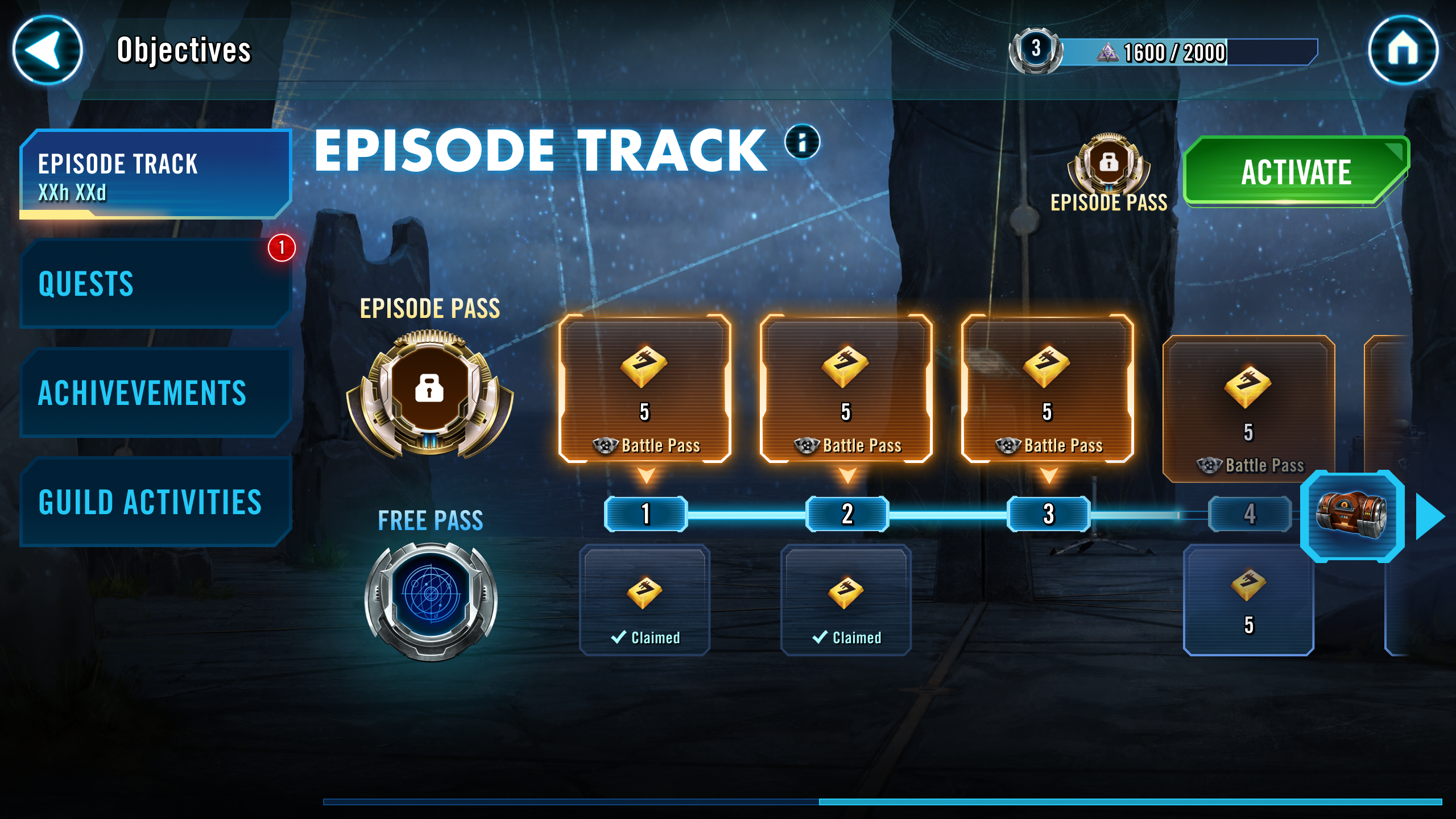
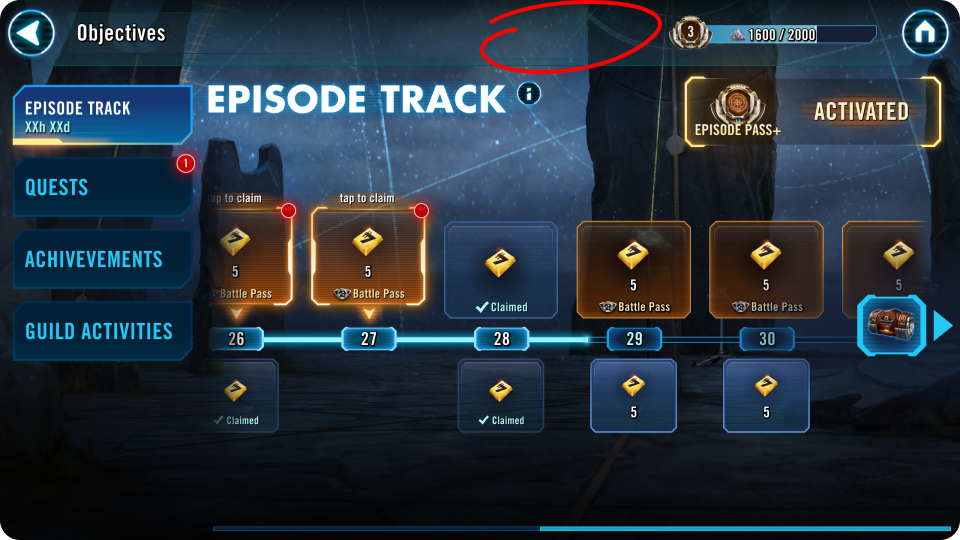
Every way a player could interact with a reward on the track was mapped before a single state was designed. Color did the heavy lifting. Clear contrast between current and future states kept players oriented without overloading the UI with messages. The state patterns were borrowed from the Conquest feature, a system players had already learned, so advanced and elder players felt immediately at home.

Reward sticky snippet
States: Premium and free emblems, Premium Tap to Claim, Premium Future, Free Claimed
Pattern audit

Familiar pattern. Modern screens.

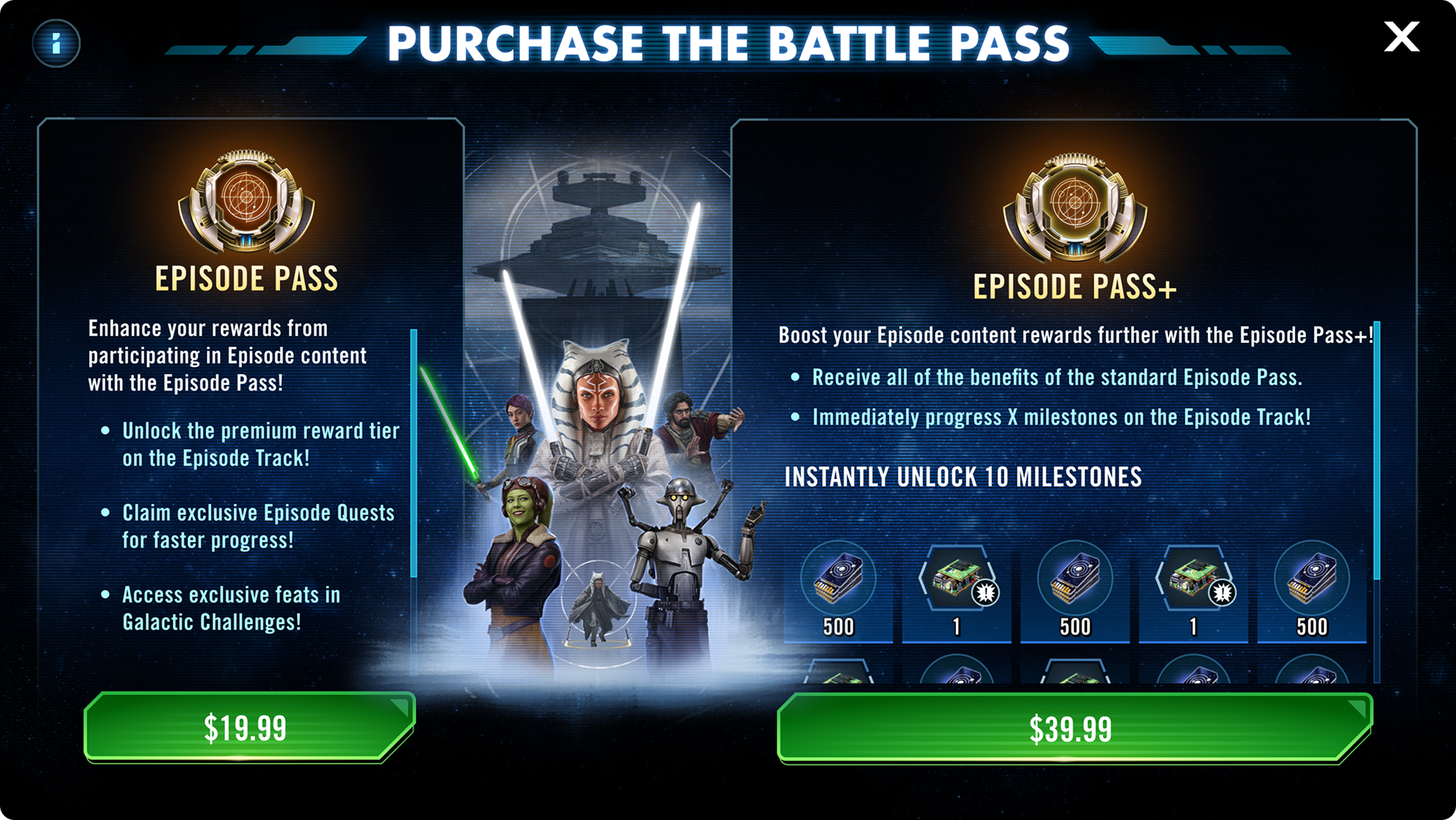
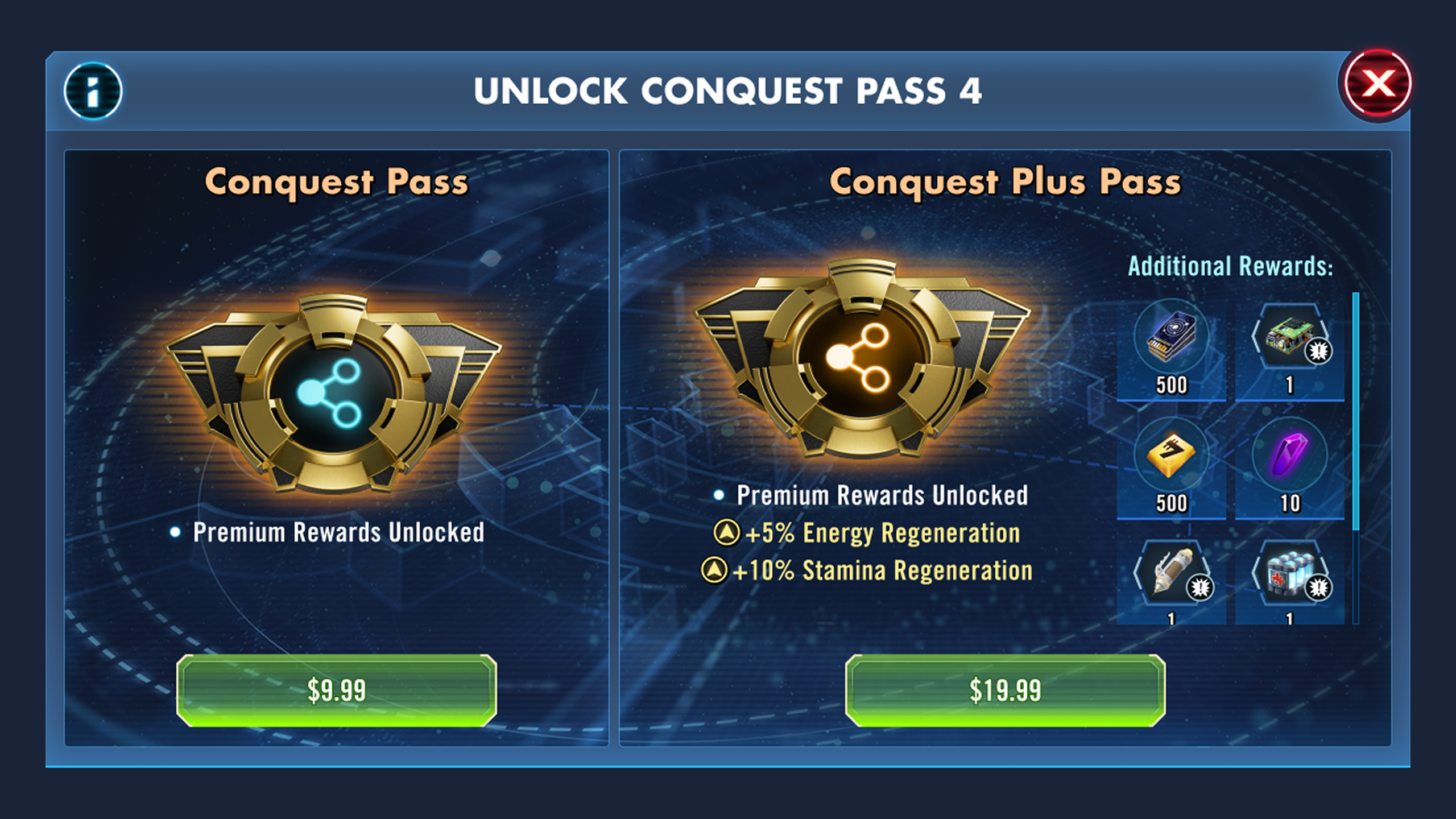
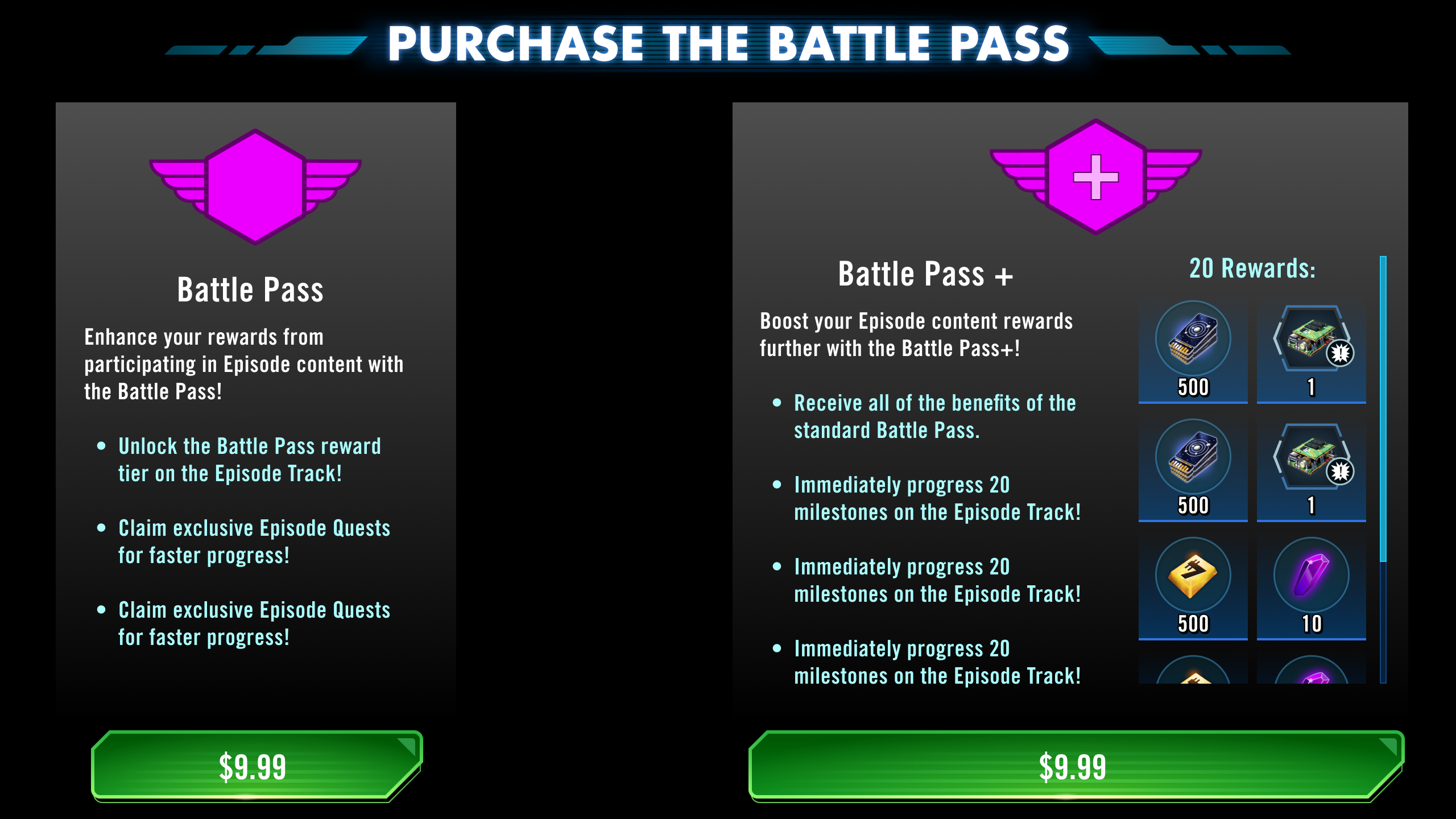
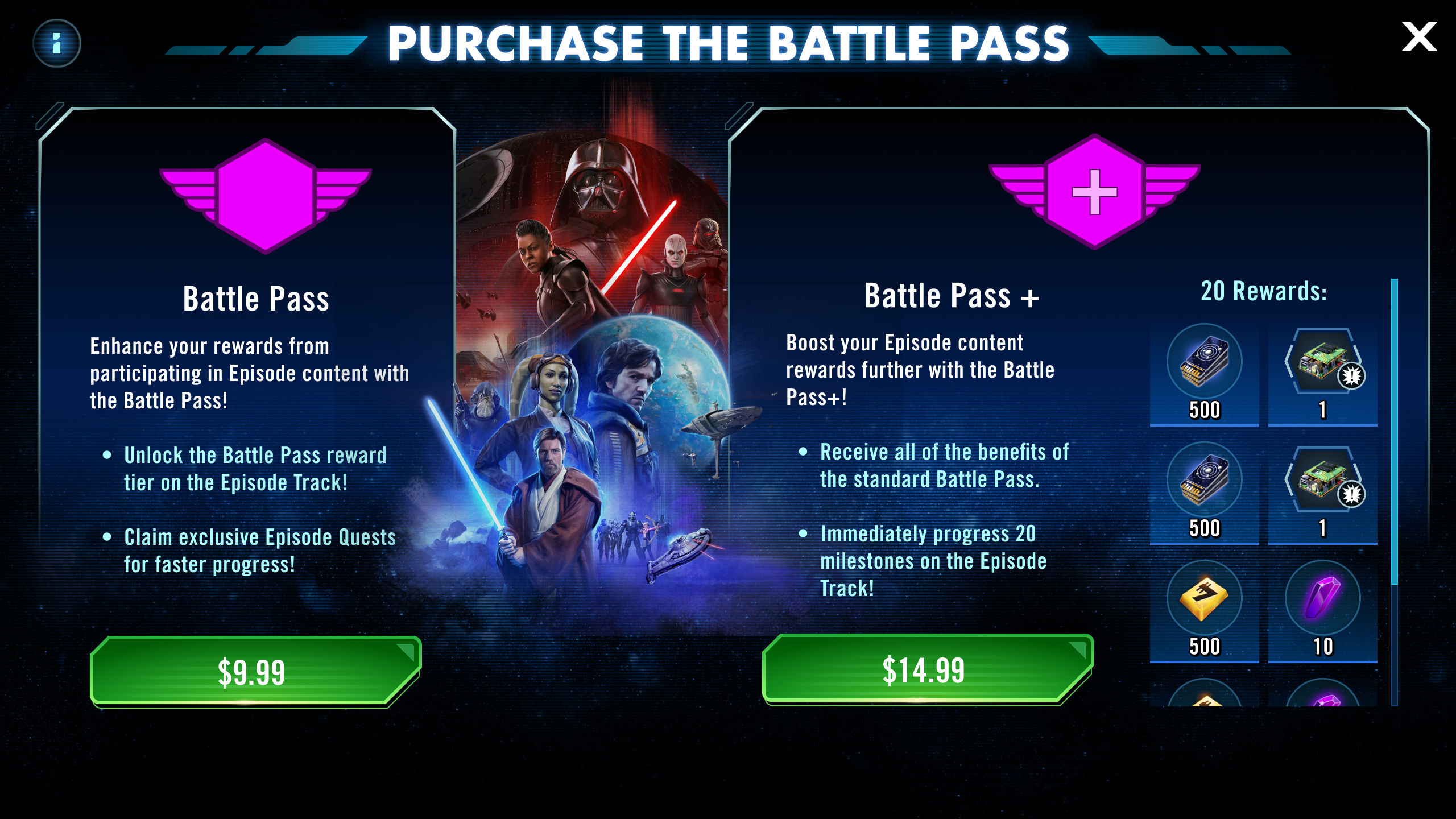
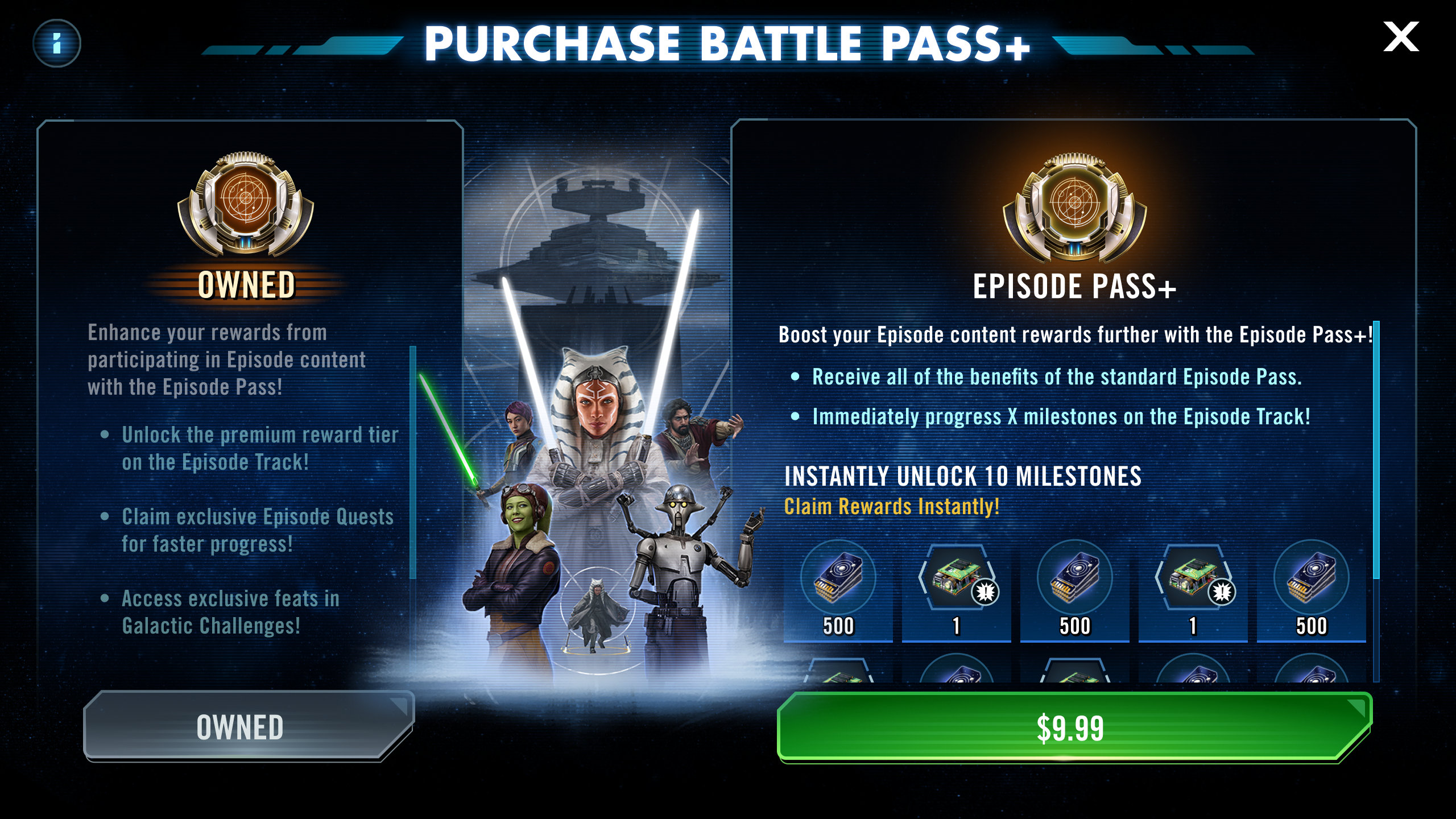
The original Conquest purchase screen split two passes side by side with no hierarchy. I had two options: update the copy and keep the old template, or build something new. I built new. I created custom UI panels, new UX copy (char count), and title characters floating in front of the panels until I landed on the final design.

Old purchase screen
Old purchase screen
Iteration one
Iteration one
Iteration two
Iteration two
Final design: owned state
Competitive analysis

Less system. Same job.

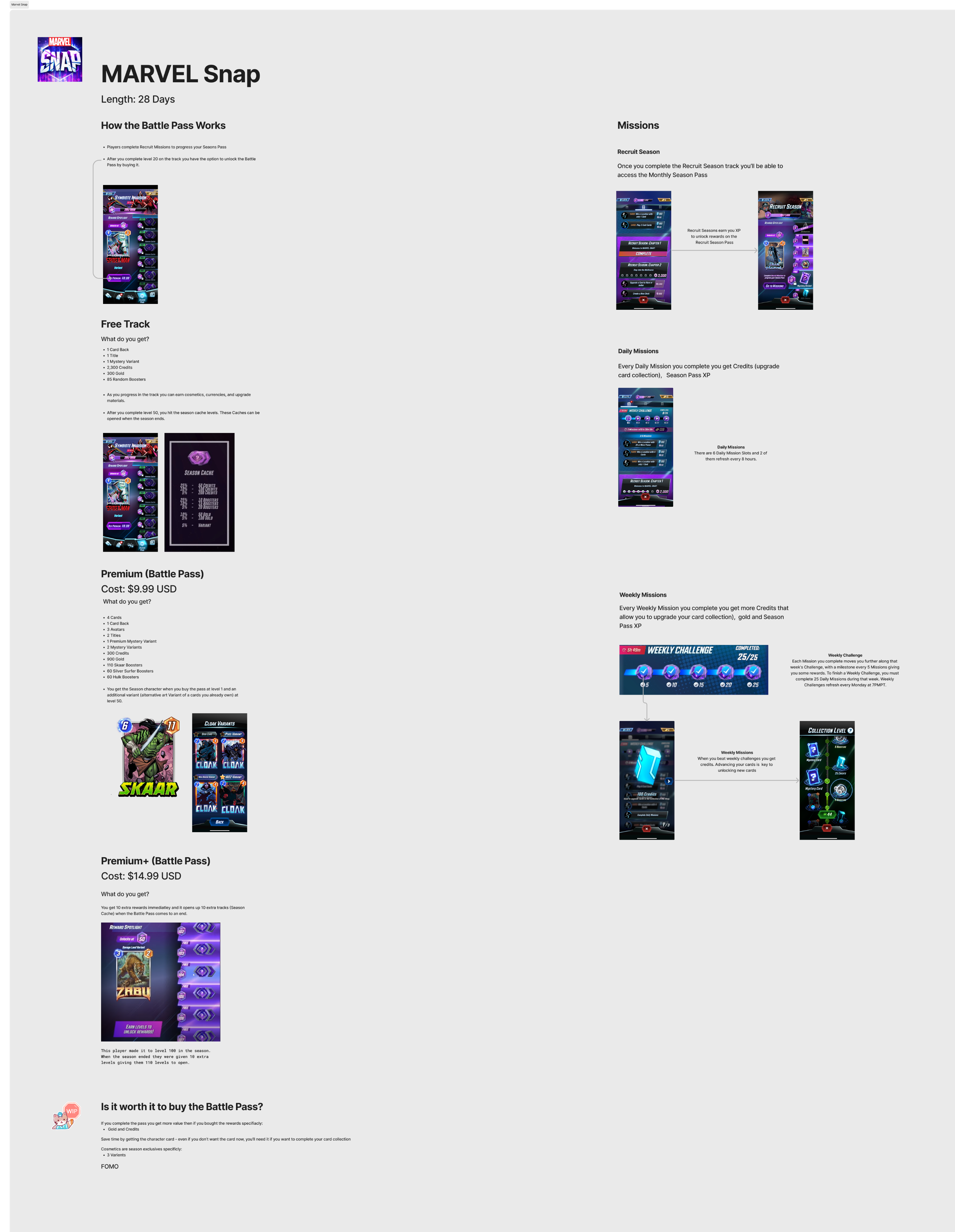
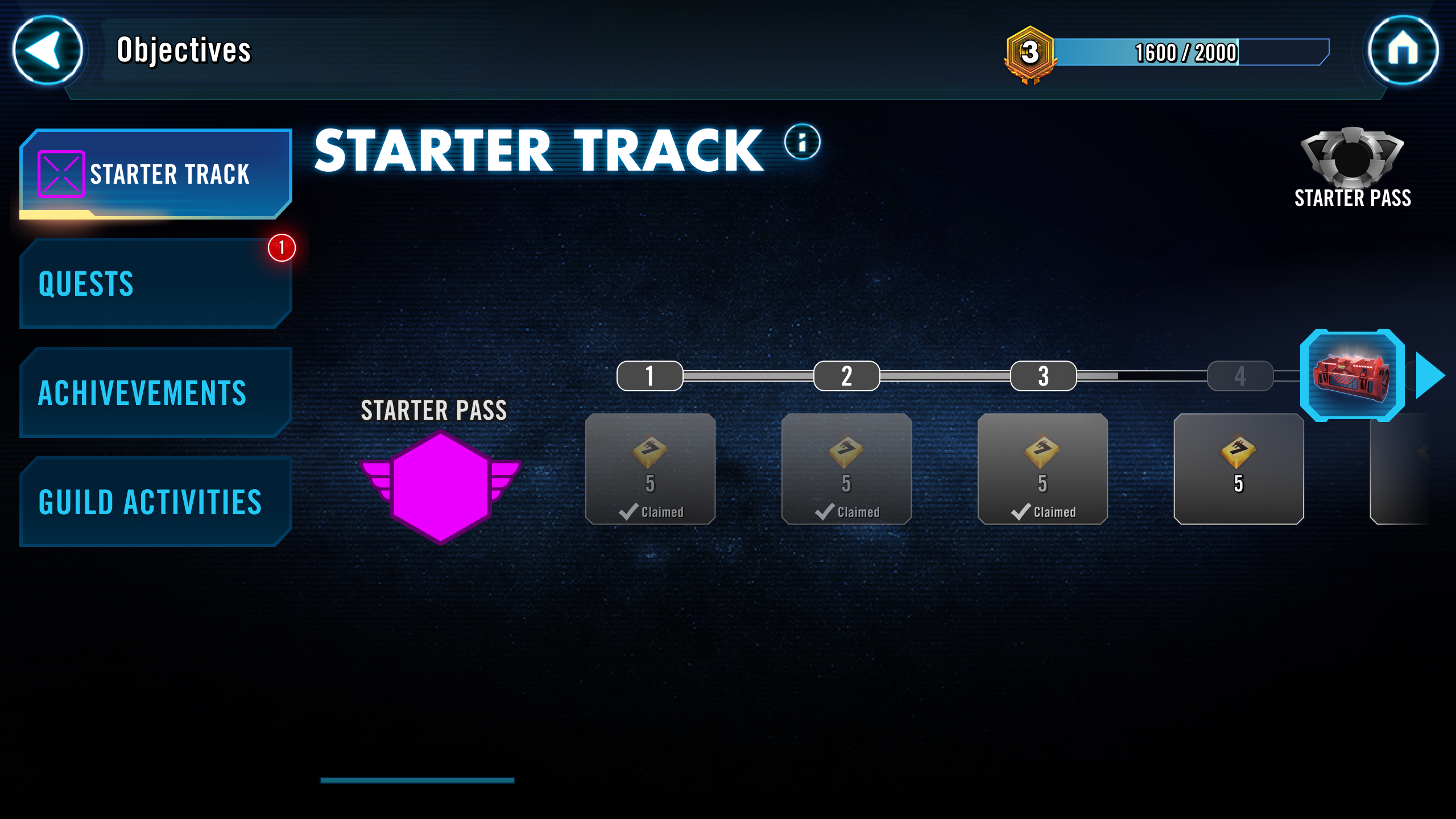
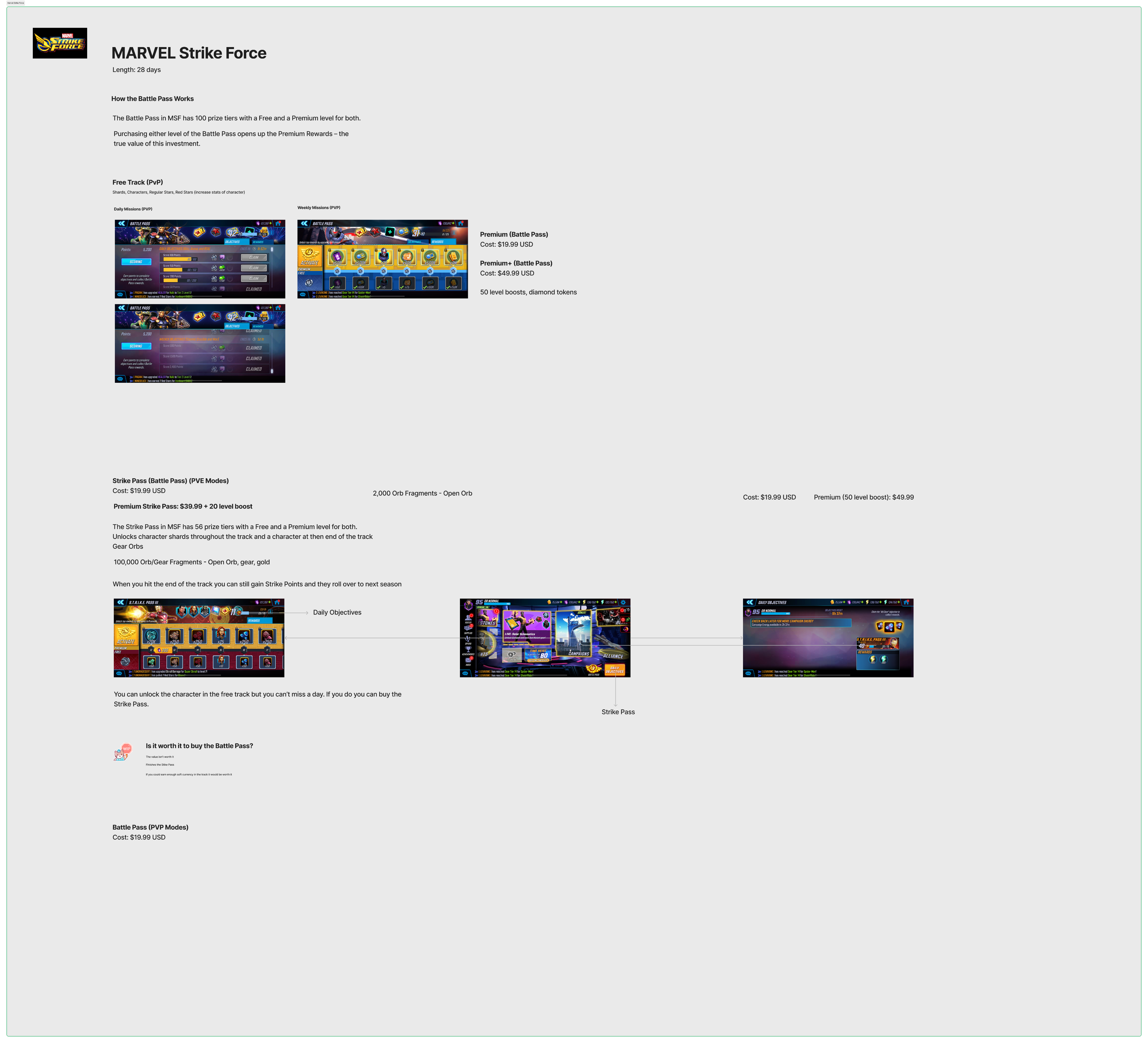
Each comp in my competitive analysis handled Battle Pass onboarding slightly differently. Marvel Snap's Starter Pass needed its own tutorial. We already had a First Time User Experience system. After designing the IA and having conversations with engineering, we decided we wouldn't need to build an additional layer with a Starter Pass. We went with showing both passes on the track.

Marvel Snap analysis
Starter Pass concept
Cut
Starter Pass concept
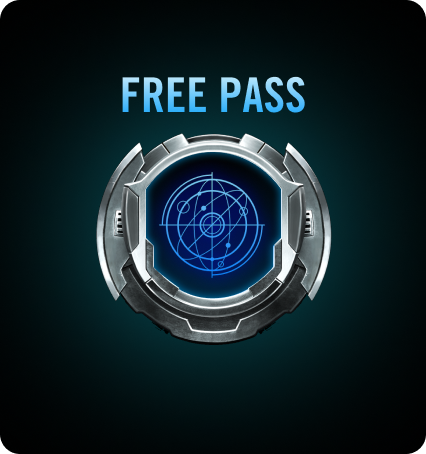
Free Pass FTUE
Free Pass FTUE
Progression mapping

No finish line.

Before designing anything, I mapped every way a player could interact with the capstone. Marvel Strike Force offered exclusive rewards throughout the battle pass. Marvel Snap rewarded extra tracks at season end.

Player verbs
Player verbs
Marvel Strike Force Comp

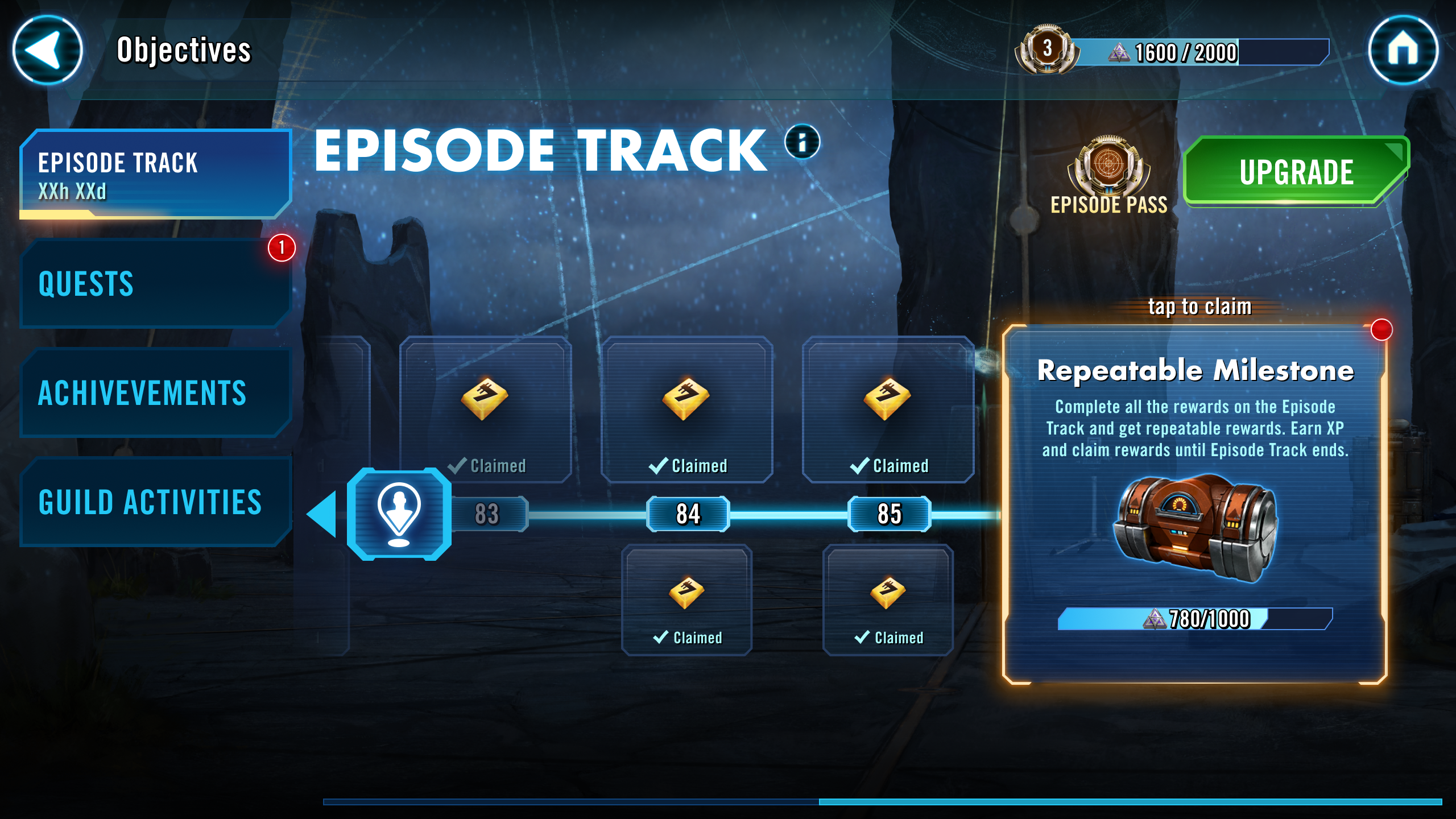
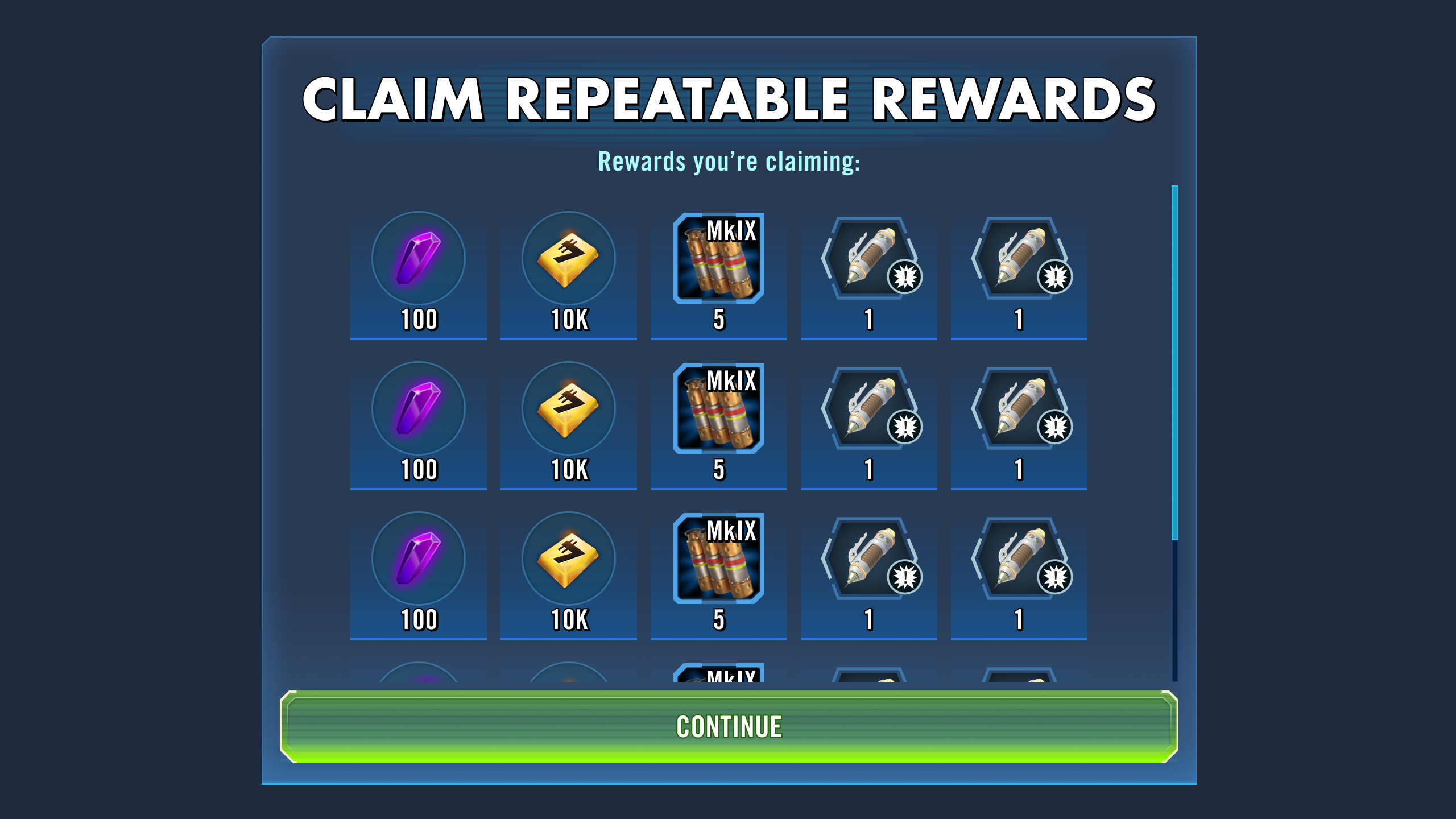
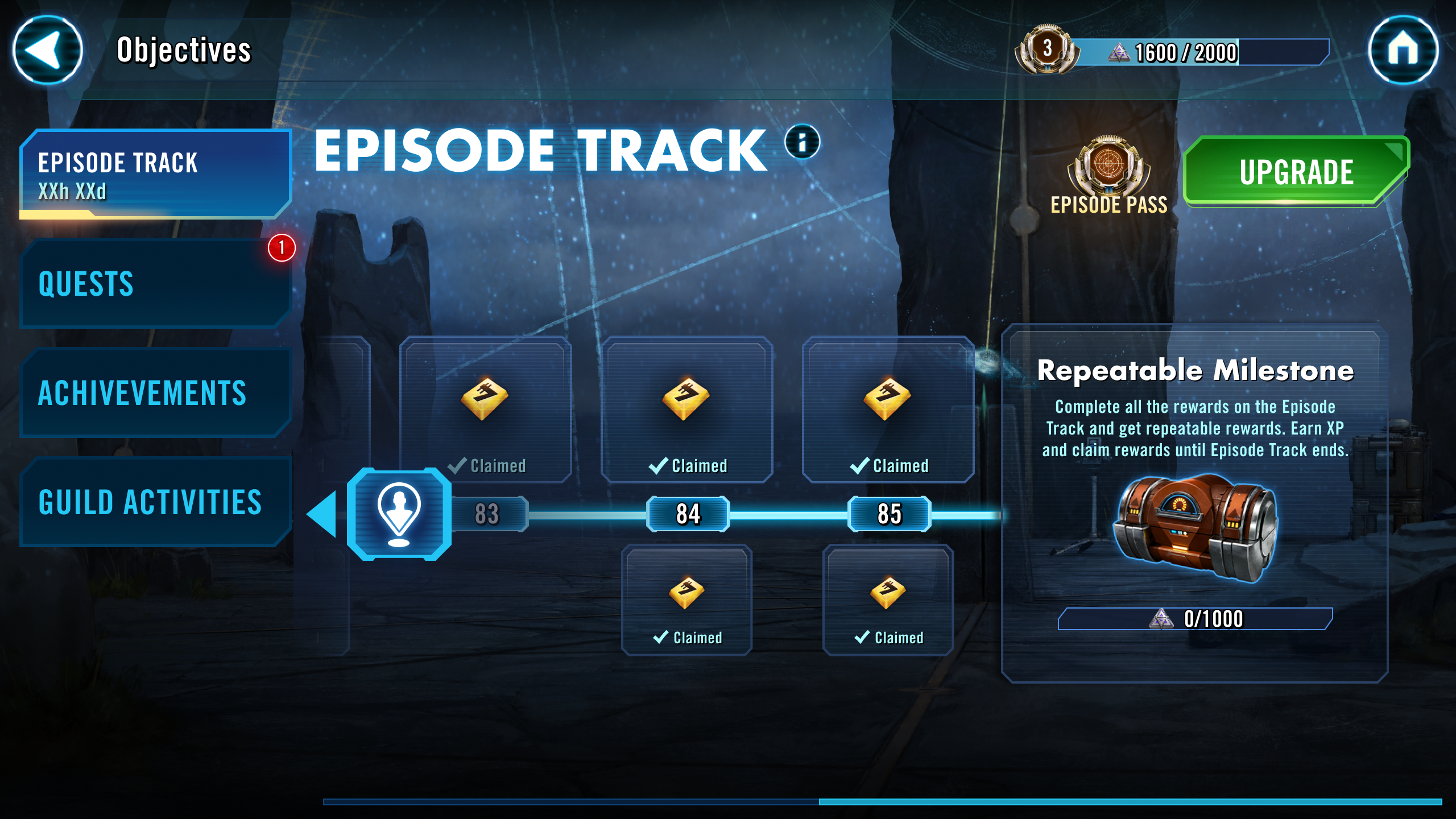
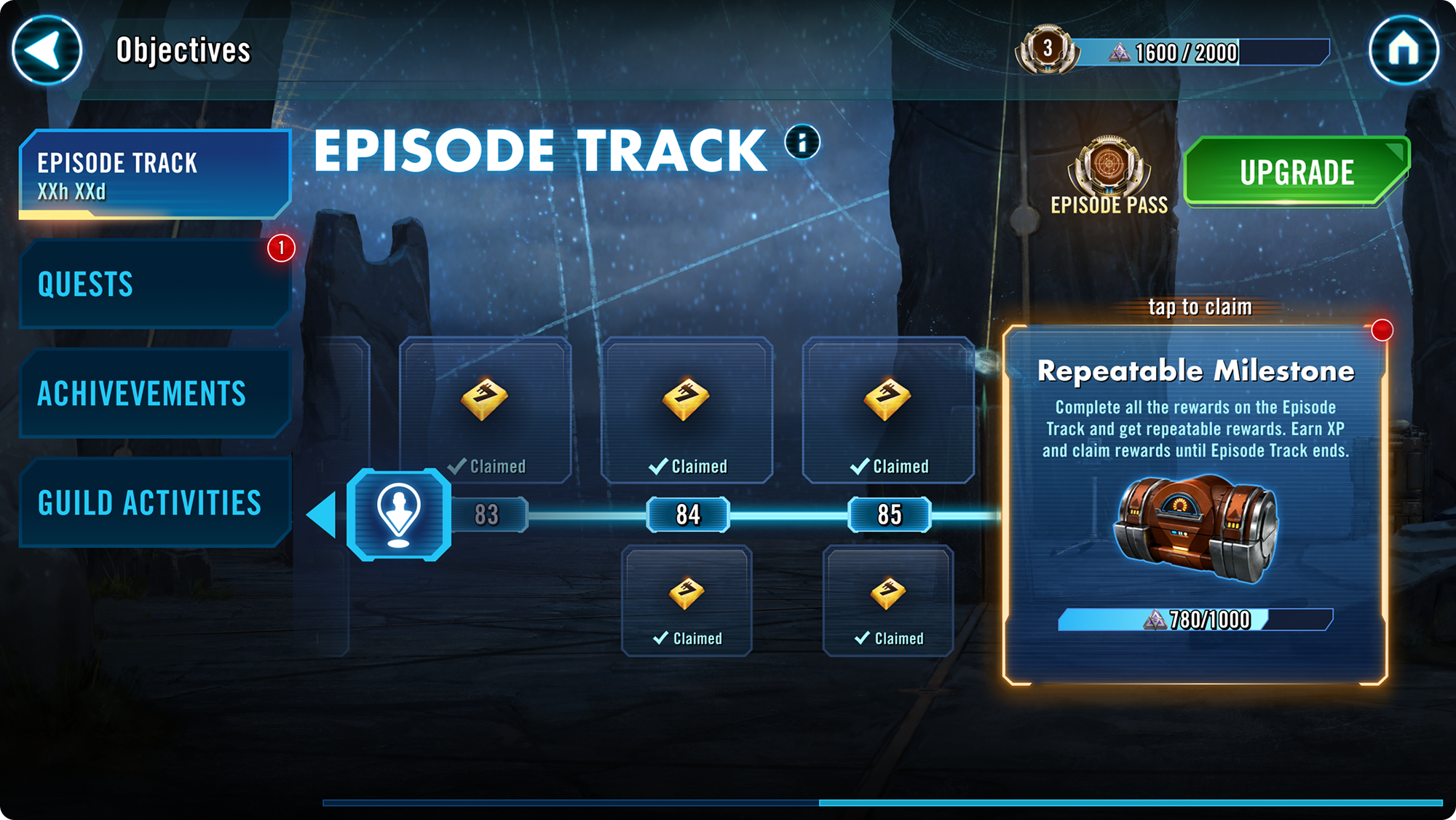
I designed exclusive rewards throughout the battle pass and repeatable milestones. The track keeps going past the capstone. There's always a next step waiting.

01
01
02
02
03
03
Navigation audit

Replace. Don't patch.

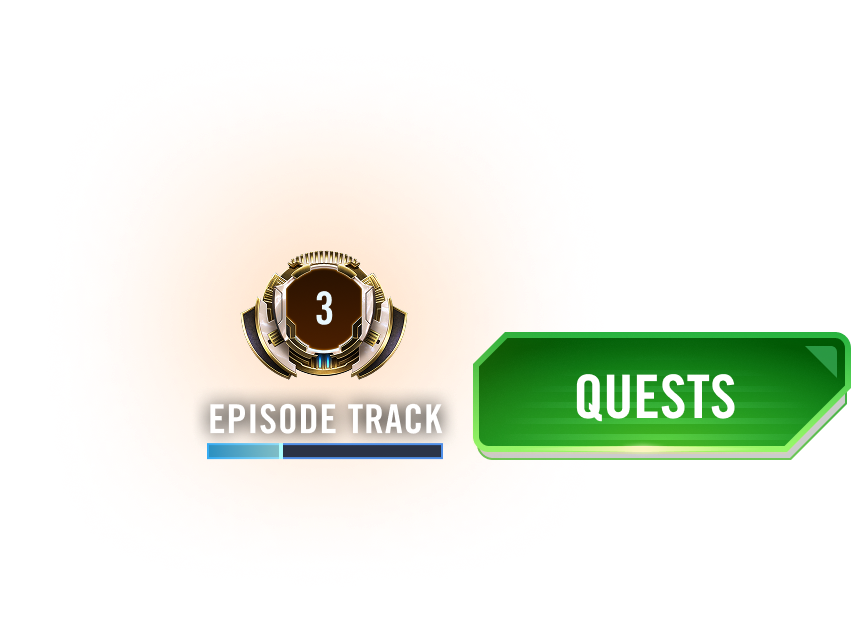
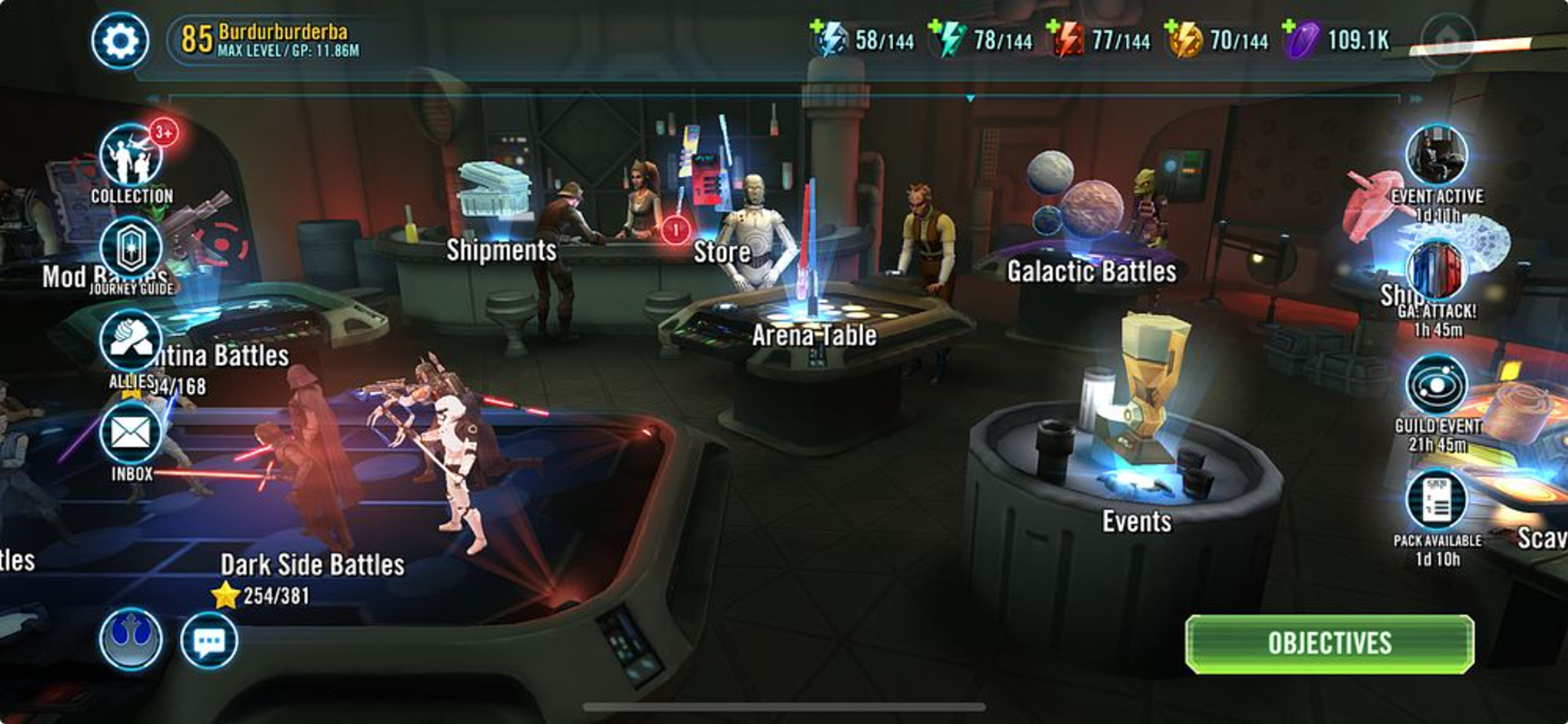
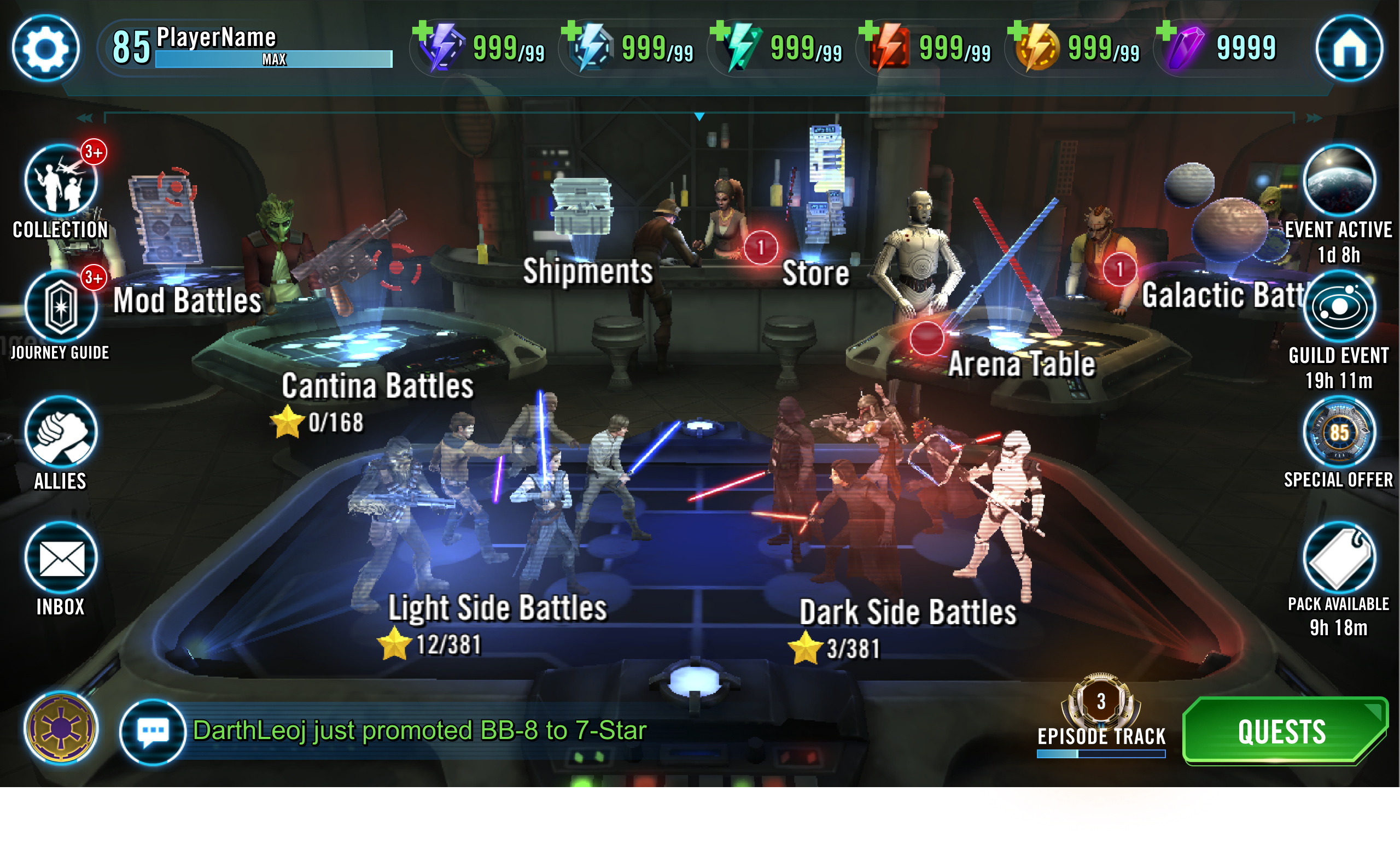
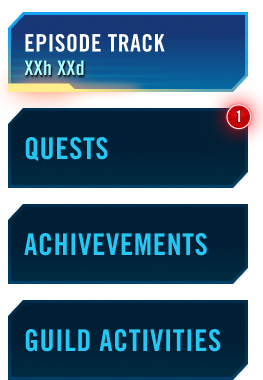
The old Objectives button was a dead end. I replaced it with one widget that worked as two entry points into the season pass. One button for Episode Pass. One for Quests. Two systems, one connected experience.

Old Objectives button
Cut
Old Objectives button
Combined widget
Combined widget
Systems audit

Built to connect.

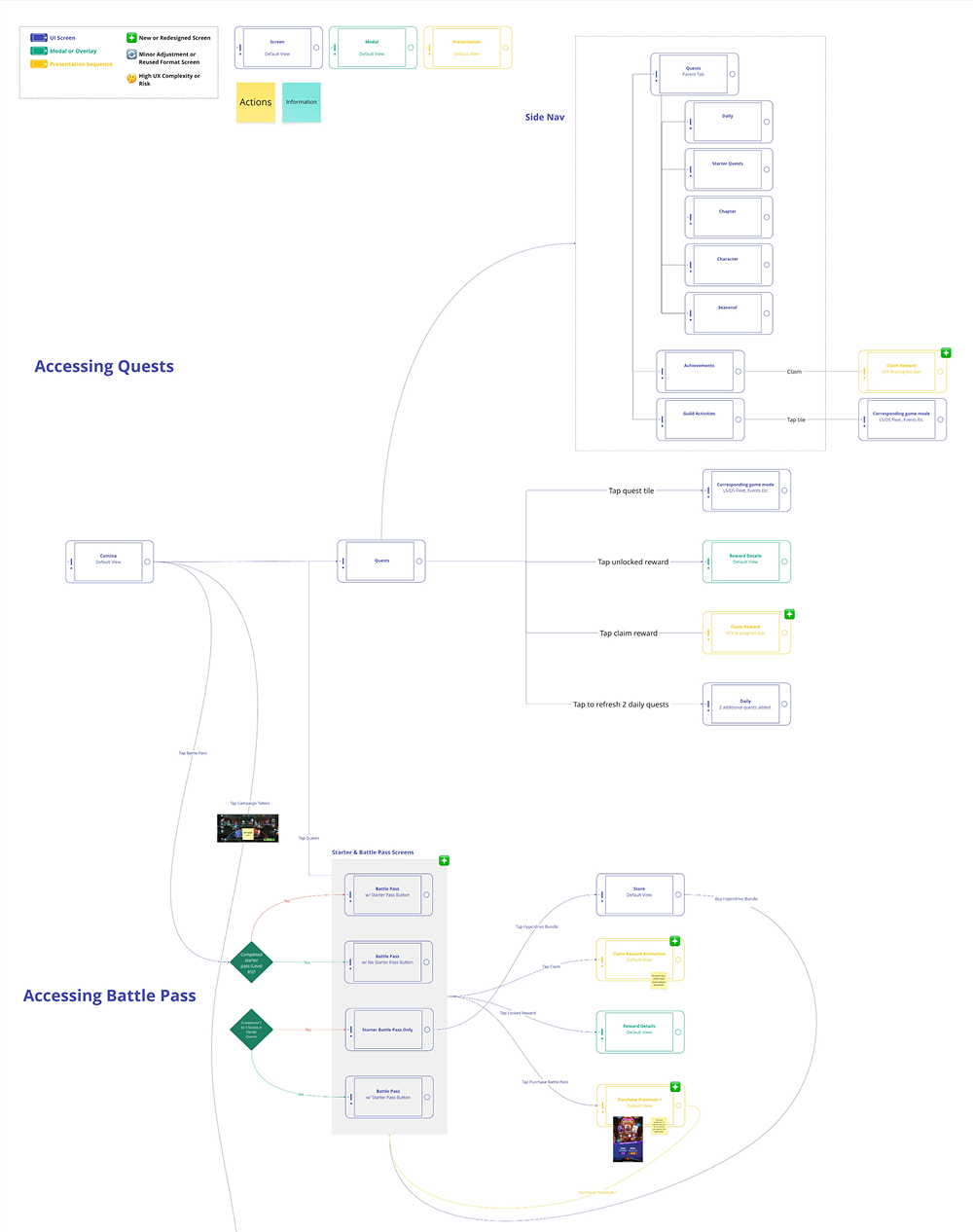
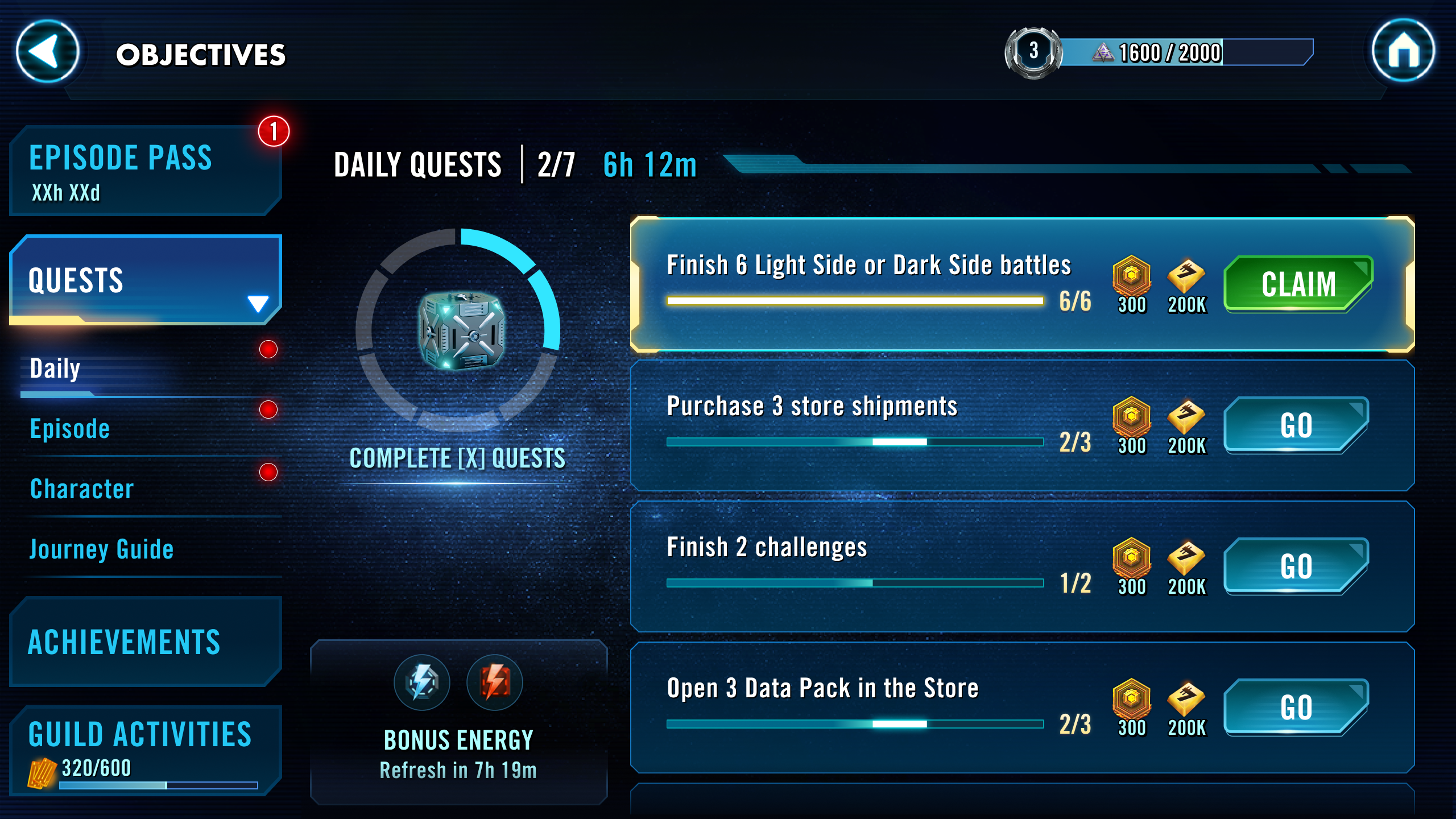
Episode Pass and Quests needed to feel like one system, not two separate features. The side navigation was already familiar to Galaxy of Heroes players, so we used it to connect both into one season. This IA was built collaboratively with the Quest UX designer. Together these two systems created the season pass.

IA map — Quests & Episode Pass

The Craft Moment

Future proof.
Ship ready.

One week saved.
Every episode.

Wireframes to
shippable UI.

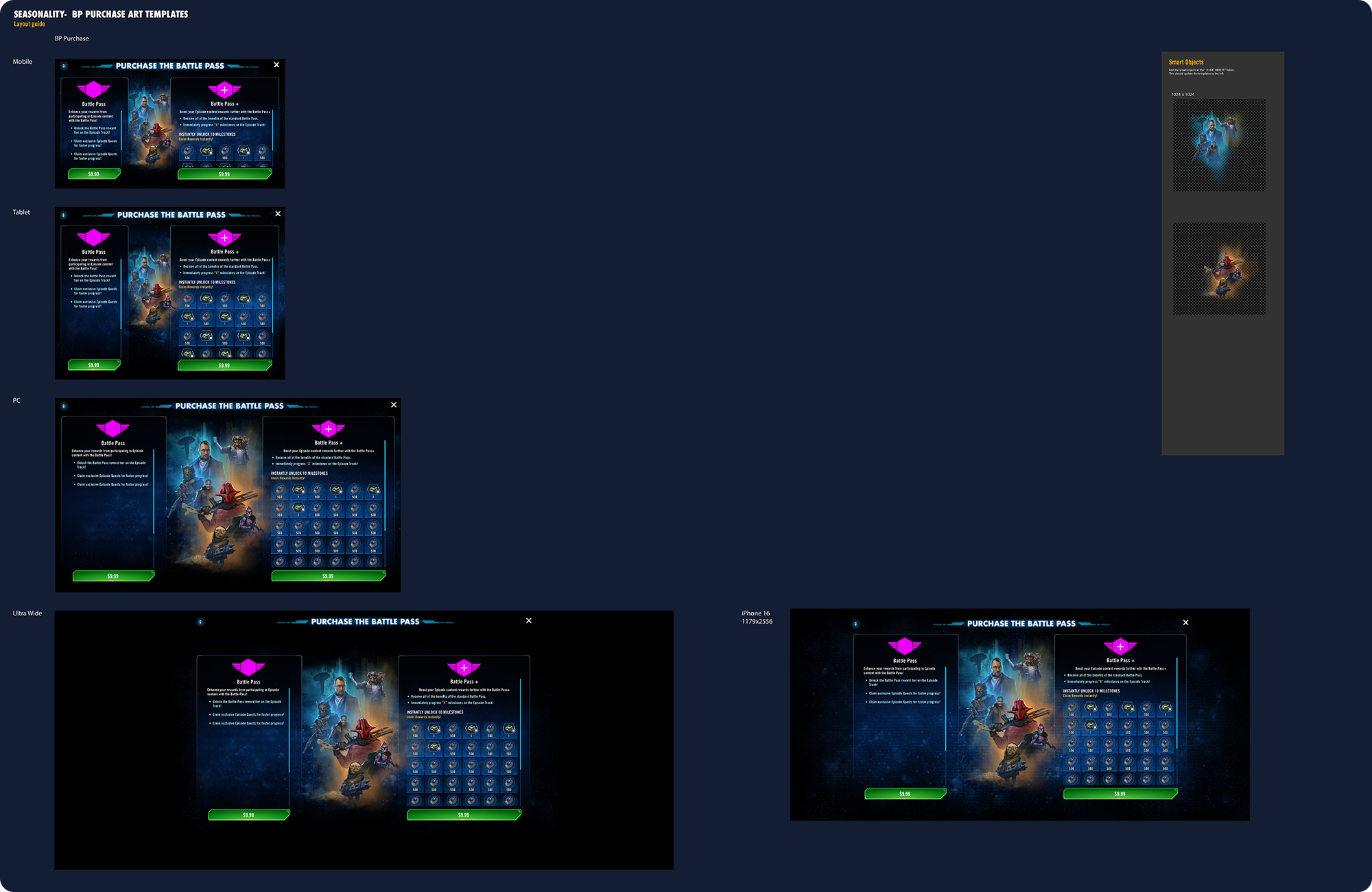
We identified early that each episode would require a week of exporting, aligning, and implementing character art across mobile, tablet, and PC. I partnered with the Art Lead to build a shared Photoshop template for launch and every season after. One template. One week saved. I pushed for title characters in front of the panels. Depth the old screens never had.

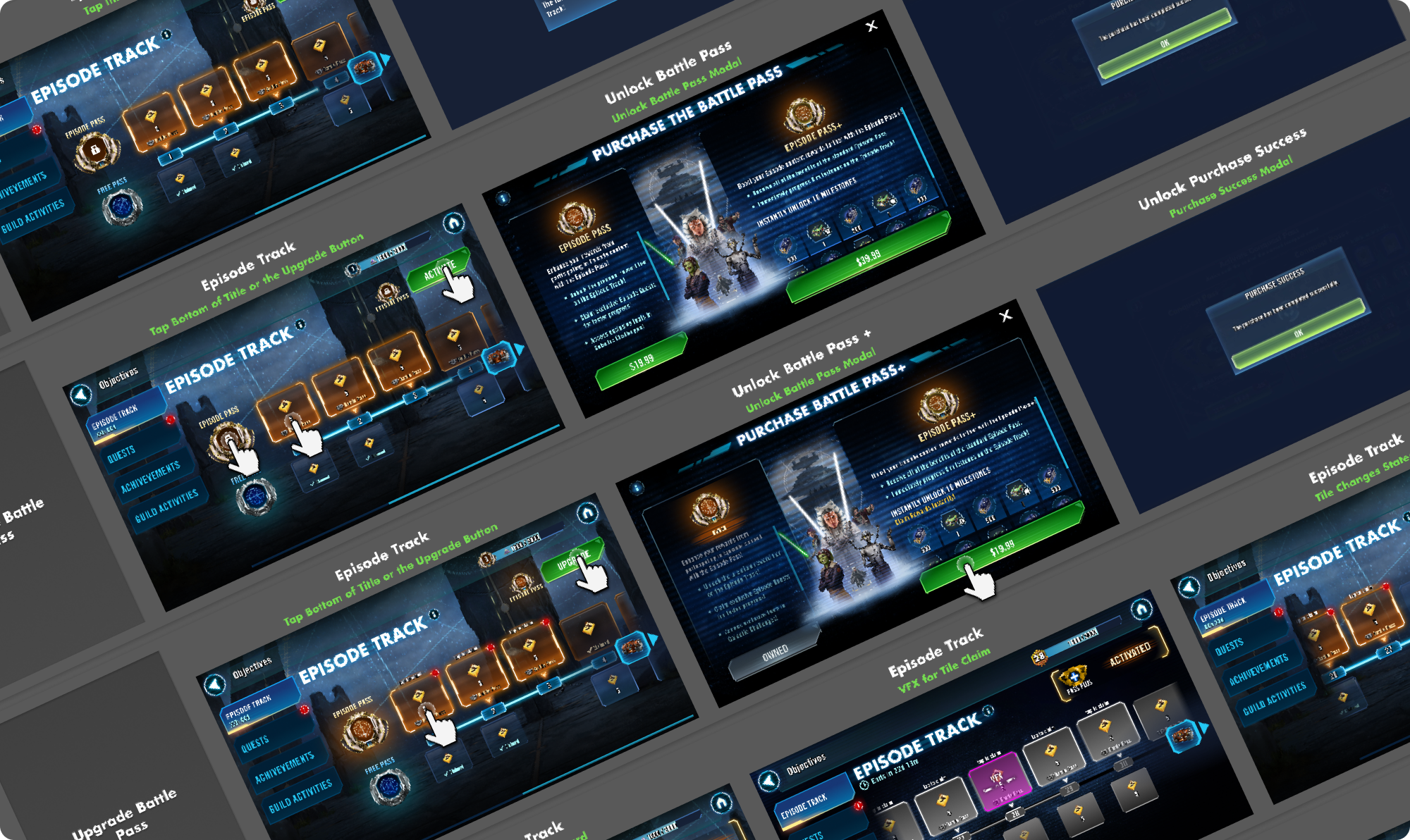
Episode Pass wireframes started in gray box form. The same files that documented the logic became the final UI. Early communication with engineering meant no handoff gap. What was in Figma was what shipped.

Episode Pass purchase art templates
Episode Pass wireframes

Results

Predictable.
Every episode.

Episode Pass launched in December 2024 with a 7% conversion spike at release. Players upgraded when new content hit, not gradually over time, giving Live Ops a repeatable monthly conversion moment they could plan around.

0%Episode PassConversion spike at launch,
December 2024

Episode Pass Conversion

Dec '24 – June '25

7.5%5.0%2.5%0.0%DecemberJanuaryFebruaryMarchAprilMayJune

Final Screens

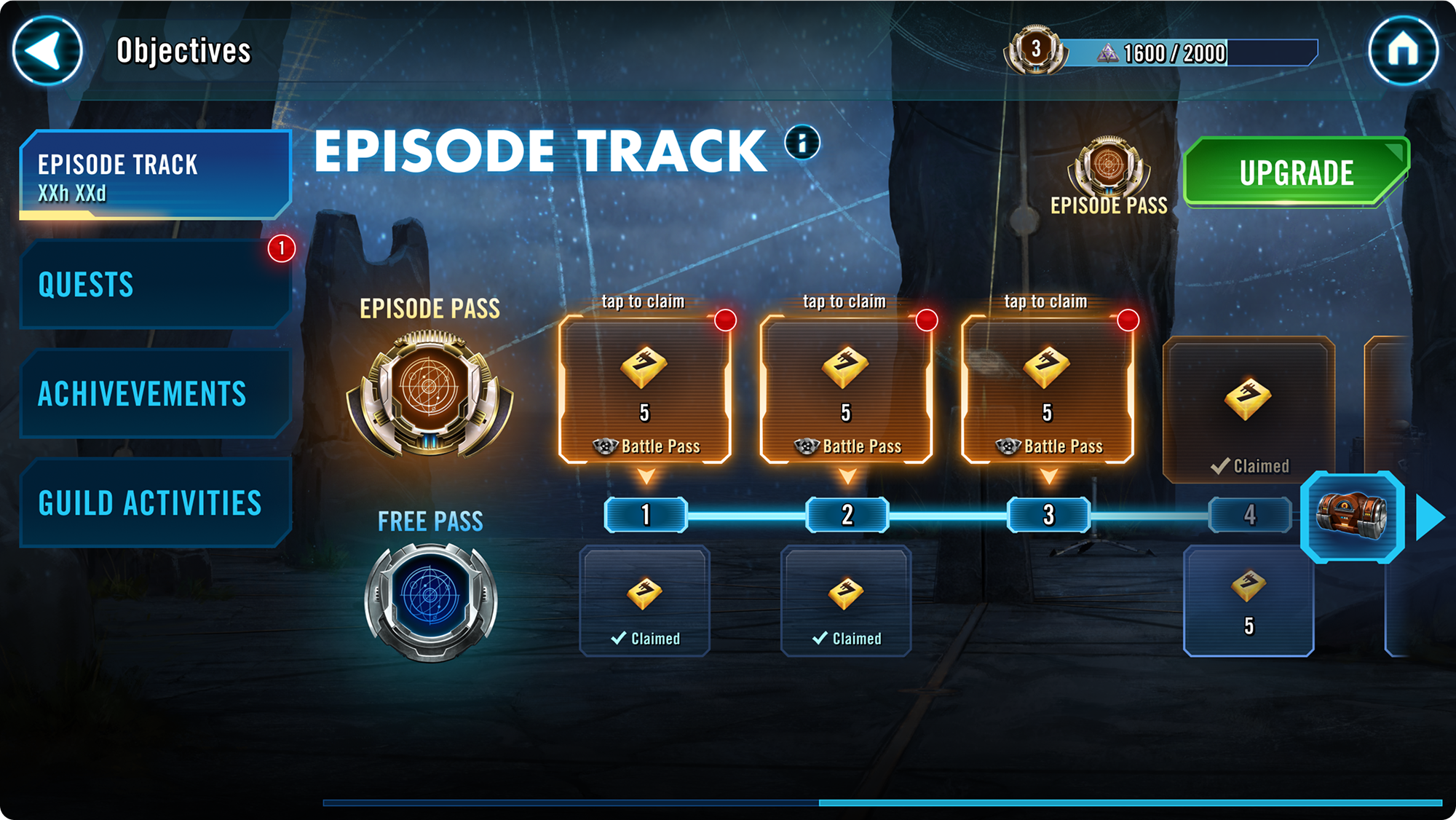
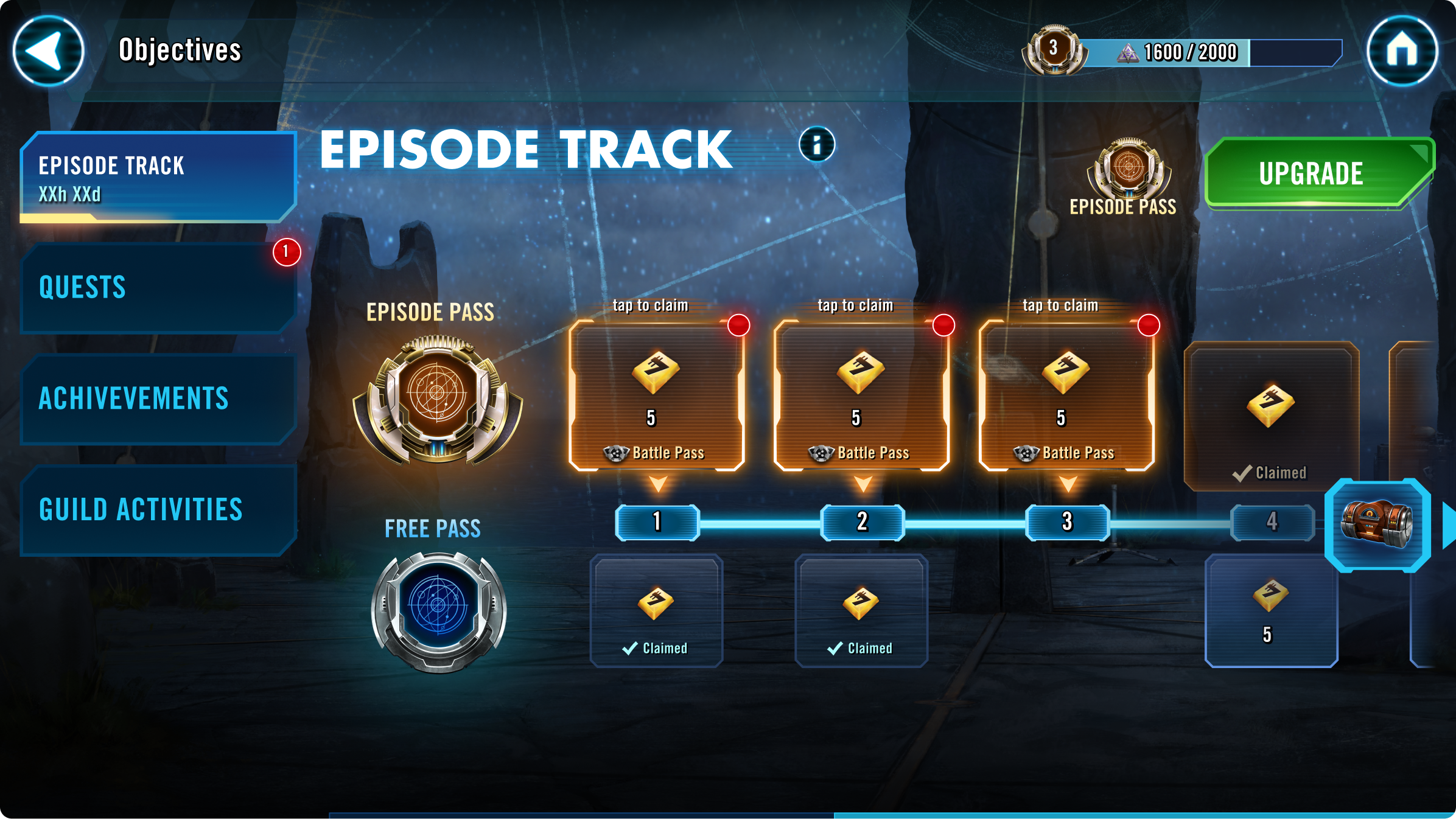
Episode Pass main track screen
Cantina widget
Episode Pass purchase screen
Episode Track end state
Daily Quests screen

Updates

Refining after launch.

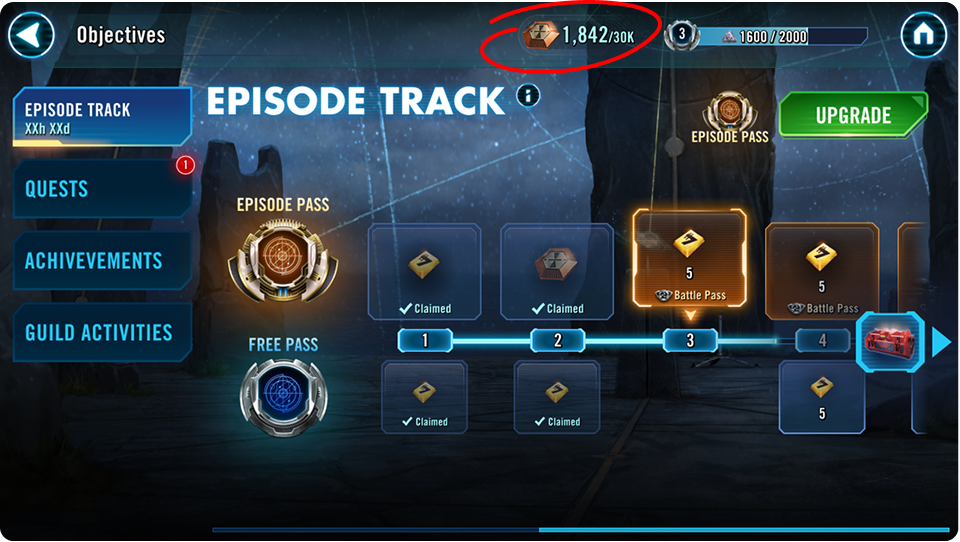
After launch, players were hitting credit cap warnings with no context for why. I moved the credit bank into the header so players could see it without looking for it.

Before — credit cap warning
Before
Credit Bank in Header
After — credit bank in header
After

A system players can predict is a system they will invest in.

MarqueeGlyphs